Creating a Water-Wise Yard That Looks Great All Year
Why water-wise landscaping matters now
For many homeowners, keeping a green yard during dry months used to mean running sprinklers more often and hoping for the best. But with shifting weather patterns and water restrictions becoming more common, that approach is no longer reliable. A lawn that depends on heavy irrigation can quickly become a source of stress, not pride. The good news is that you can have an attractive outdoor space without high water bills or constant attention. The key is choosing the right materials and plants for your climate.
One of the most practical shifts you can make is to reduce the amount of thirsty grass in your yard. Traditional turfgrass requires a lot of water to stay green, and during drought periods it often goes brown anyway. Instead, many people are turning to alternatives that look good without demanding so much moisture. This is where drought-friendly landscaping comes into play. It is not about giving up on beauty. It is about being smart with the resources you have.
Start with the ground cover
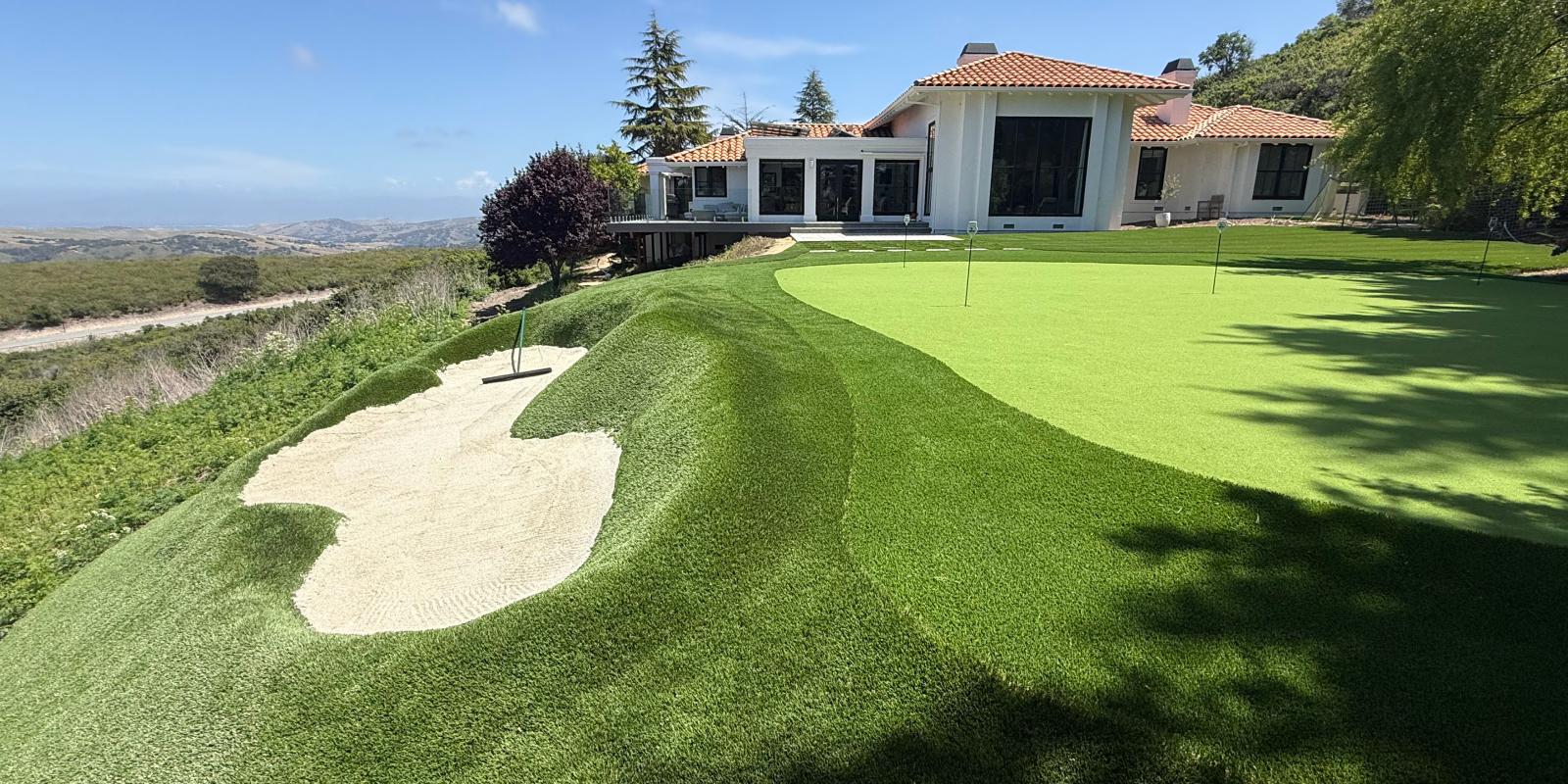
The largest surface in most yards is the lawn, and that is usually where the most water goes. Replacing natural grass with a low-maintenance option can cut water use dramatically. One popular choice is artificial turf, which stays green year-round without any watering. Modern versions look and feel much closer to real grass than older styles did. They also eliminate the need for mowing, fertilizing, and weeding. For homeowners who want a neat, usable lawn without the upkeep, this is a solid option.
But artificial turf is not the only ground cover worth considering. Clover, creeping thyme, and certain sedges can create a soft, living surface that uses far less water than traditional grass. These plants are more tolerant of dry conditions and often require little mowing. Some of them even attract pollinators, which is a bonus for the garden. The trade-off is that they may not hold up as well to heavy foot traffic, so you need to think about how you actually use your yard before choosing.
Permeability matters
Another factor that often gets overlooked is how water moves through your landscape. Hard surfaces like concrete and asphalt send rainwater straight into storm drains. That water could have soaked into the ground and supported your plants. When you plan a water-efficient yard, it helps to use permeable materials for paths, patios, and driveways. Gravel, permeable pavers, and decomposed granite allow rain to filter down into the soil. This keeps moisture available for nearby plants and reduces runoff. It is a small change that makes a big difference over time.
Choosing plants that thrive with less
Once you have the ground cover sorted, the next step is selecting plants that are naturally suited to dry conditions. Native plants are often the best choice because they have evolved to survive in your local climate. They typically need less water, fewer chemicals, and less fuss than exotic species. A well-planned mix of drought-tolerant shrubs, perennials, and ornamental grasses can give your yard color and texture throughout the seasons. Succulents, lavender, yarrow, and sage are just a few examples of plants that handle heat and dryness well.
Grouping plants with similar water needs together is a simple but effective strategy. This is sometimes called hydrozoning. It means you do not end up watering a thirsty flower bed right next to a group of cacti. By putting the low-water plants in one area and the moderate-water plants in another, you can tailor your irrigation to each zone. This approach reduces waste and keeps every plant healthier.
A note on mulch
Mulch is one of the easiest tools for conserving moisture in the soil. A layer of organic mulch, such as bark chips or shredded leaves, slows evaporation and keeps roots cooler. It also suppresses weeds, which compete with your plants for water. Inorganic mulches like gravel or pebbles work well too, especially around succulents and cacti. Just be careful not to pile mulch against plant stems, as that can cause rot.
Irrigation: less can be more
Even the most drought-tolerant plants need some water while they are getting established. But after that, many can get by on natural rainfall alone, except during extreme dry spells. If you do need to supplement, drip irrigation is far more efficient than overhead sprinklers. Drip systems deliver water directly to the root zone, where it is needed, and they lose very little to evaporation. You can also add a simple timer or a smart controller that adjusts watering based on weather conditions. This takes the guesswork out of it and prevents overwatering.

Rain barrels are another useful addition. Collecting runoff from your roof gives you a free supply of water for your garden during dry periods. It is a low-tech solution that works well alongside other water-saving measures. Just be sure to use the water within a week or two to avoid mosquito problems.
Putting it all together
A well-designed yard that uses less water does not have to look bare or boring. In fact, the best examples of drought-friendly landscaping are full of life and interest. The trick is to think of your outdoor space as a system where every element supports the others. The ground cover reduces evaporation. The plants are chosen for their toughness. The irrigation is targeted and efficient. The hardscaping allows water to soak in rather than run off. When these pieces work together, you end up with a yard that looks good and requires much less effort than a traditional lawn.
For anyone who is tired of watching their water bill climb during the summer, or who simply wants a yard that can handle a dry spell without turning into a dust bowl, this approach makes sense. It is not about sacrifice. It is about making smarter choices from the start. And once those choices are in place, you get to enjoy your outdoor space more, not less.
What to watch out for
One common mistake is assuming that all drought-tolerant plants are low maintenance. Some of them still need occasional pruning, deadheading, or division to stay tidy. Another is forgetting that even a xeriscape garden benefits from occasional deep watering during prolonged dry periods. The goal is not to eliminate water use entirely. It is to use it wisely. Also, be aware that some municipalities have rules about replacing lawns, especially if you live in a homeowners association. It is worth checking local guidelines before you make big changes.
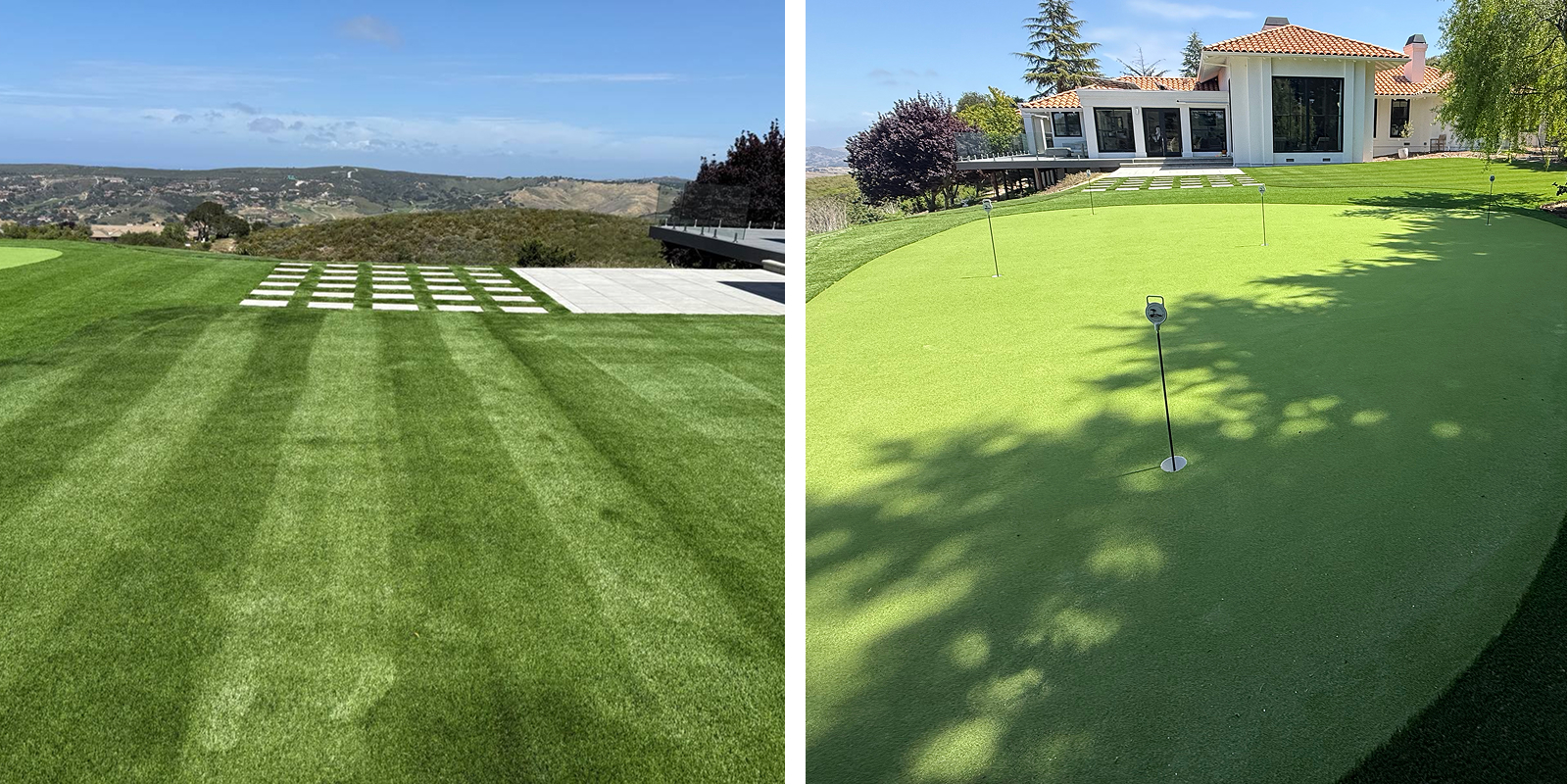
Another thing to keep in mind is that artificial turf can get hot in direct sunlight. If you live in a very hot climate, consider choosing a lighter-colored product or placing it in areas that get some shade during the day. Some newer types are designed to stay cooler, so it pays to do a little research before buying.
Final thoughts
Reducing water use in your yard does not mean giving up on having a nice place to relax, play, or entertain. With the right combination of ground cover, plants, and hardscaping, you can create an outdoor area that looks great and functions well, no matter how dry the season gets. The upfront planning takes a little effort, but the payoff is a yard that takes care of itself for years to come. And that is something any homeowner can appreciate.